

Protein is Everywhere
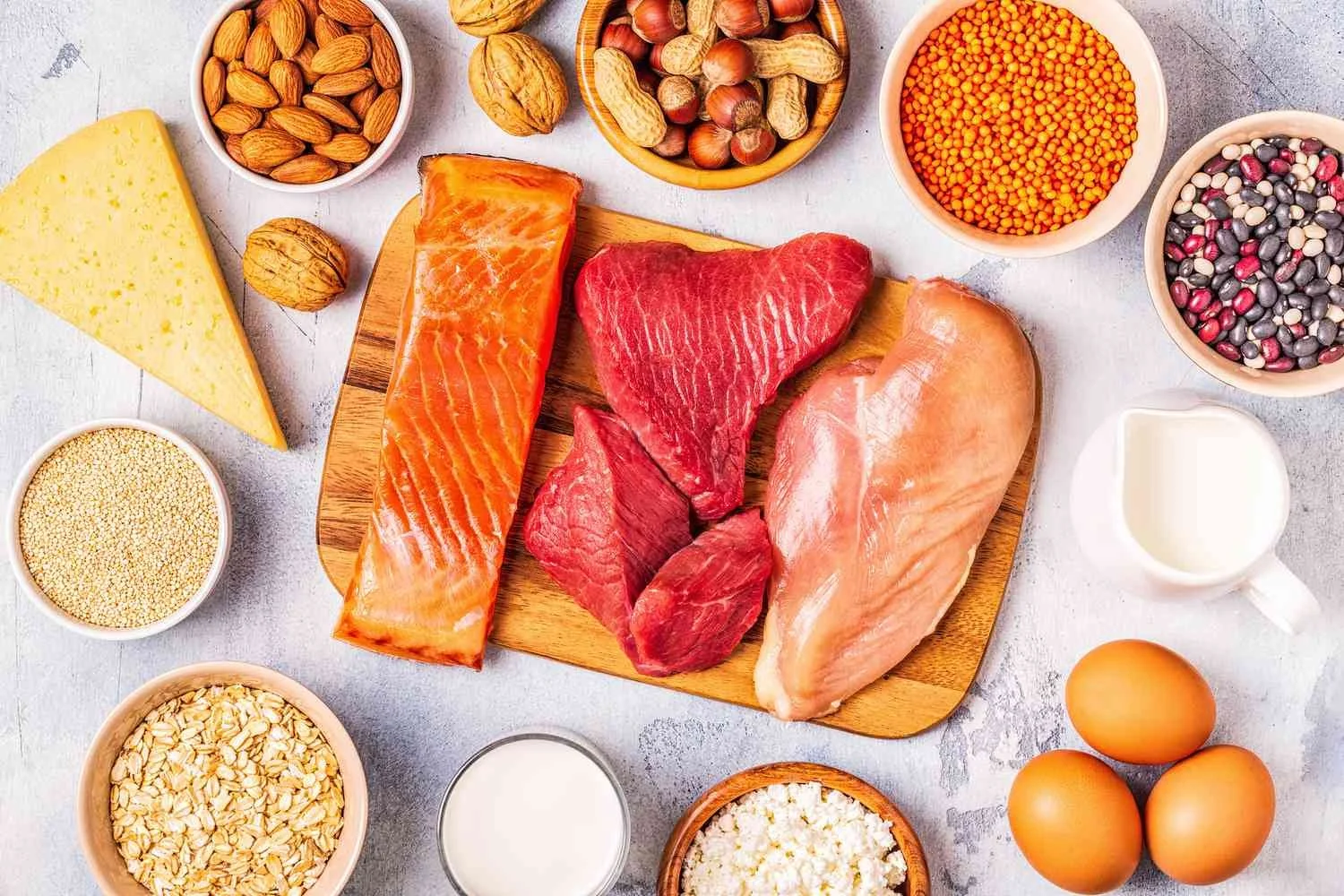
Image from Very Well Health
Why is protein in everything, all the time, no matter where I go? Why the sudden protein boom? Is lead really THAT BAD for me?
Barilla +
Chocolate Milk w/ added protein
Protein Pretzels (on sale at Costco if you dare enter)
Protein Potato Chip (again, Costco)
Protein bars EVERYWHERE
Cheese w/ added protein
An unreal amount of protein powder options
I feel as though the list of things can go on and on. Truth is, protein can come from a lot of other sources. You do not need to add 10-20 more items to your grocery cart to fill your protein requirements. I hope that everyone here would agree with me that the best source of protein comes from whole foods. Chicken, fish, chickpeas, legumes, broccoli, and whatever other meat (or vegetable) you can think of.
But, as long as I am getting my protein from somewhere, it doesn’t matter where, right? Laura Chartrand, our Registered Dietician has shared their thoughts and scientific backing behind this protein thing.
General protein recommendations range between 0.8-1.2g/kg of body weight/day. 0.8g/kg is the Recommended Dietary Allowance (RDA), the amount recommended to prevent protein deficiency and malnutrition, not necessarily to support optimal health, strength, or body composition.
For most healthy adults, 1.2g/kg is a more appropriate daily intake target and for individuals for exercise regularly or at an elite level, protein needs increase further. According to the American College of Sports Medicine and the Academy of Nutrition and Dietitians, athletes may benefit from 1.2-2.0g/kg to support muscle recovery, performance, and maintenance/growth of lean muscle mass - assuming that overall calorie intake is sufficient. A general target for most active individuals is 1.6g/kg of bodyweight/day.
There is a lot of focus on getting enough protein, but protein quality matters too. Protein quality is determined by two main factors: bioavailability (how well your body can absorb and use it) and amino acid profile. Amino acids are the building blocks of protein. Of the 20 amino acids, nine are considered essential, meaning that our bodies cannot make them and we need to get them from food.
A protein is considered “complete” if it contains all nine essential amino acids in adequate amounts. Most animal-based proteins (meat, poultry, fish, eggs, and dairy) are complete. Most plant-based proteins are incomplete, meaning they are low in one or more of the essential amino acids.
This doesn’t mean that animal proteins are “better” and that plant proteins are inferior. Nutrition is always about looking at the big picture. Animal-based proteins provide all essential amino acids and are also rich in nutrients like vitamin B12, iron, zinc, and omega-3 fatty acids. However, some animal proteins (especially fatty and processed meats) can be high in saturated fat and cholesterol, which are linked to increased risk of heart disease when consumed in excess.
Plant proteins offer different benefits including fiber, healthy fats, antioxidants, and a wider variety of vitamins and minerals. While many are incomplete, there are a few notable sources of plant-proteins that are complete including: soy, quinoa, buckwheat, amaranth, hemp seeds, chia seeds, spirulina, and nutritional yeast. Because plant proteins vary widely in both protein content and amino acid composition, people who follow a strictly plant-based diet need to be intentional about eating a wide variety of protein sources and likely will still need to supplement certain micronutrients (like B12 and iron). Likewise, people who eat animal products should also aim for variety (both plant and animal proteins) to ensure adequate fiber, gut health, and micronutrient intake.
With the growing emphasis on protein, it’s no surprise that protein supplements and protein-fortified foods are becoming increasingly common. What started as protein powders and bars has expanded to protein-enriched pasta, wraps, bagels, cereals, yogurts, milk alternatives, baked goods, etc. Although these products can be a convenient way to boost your daily protein intake (especially for busy individuals, people with low appetites, and people who have limited access to whole foods), they are not the same as getting protein from whole, minimally processed foods.
Most protein-fortified foods are considered ultra-processed and, as a result, may contain high amounts of sodium, added sugars, artificial sweeteners, sugar alcohols, or added fats. For some, these ingredients can negatively impact gut health (leading to bloating or digestive distress) and their overall health. Relying too heavily on fortified products can also lower consumption of other important nutrients that occur naturally in foods.
Fortified protein foods often use isolated or refined protein sources such as whey isolate, soy protein isolate, pea protein, or wheat gluten. As a result, they will differ in their amino acid profile and some people may experience allergic or negative digestive responses from these components of protein additives. Therefore, when choosing protein-fortified foods, it’s helpful to look beyond front-of-package claims and consider how much protein you’re getting relative to calories (aim for at least 10-15g protein per 200-250kcal), the type of protein used, and the overall ingredient list. Ultimately, protein fortified foods work best when paired with a whole food diet.
As with most things related to nutrition, when it comes to protein, balance and variety matter most. Prioritize whole food protein sources, mix plant and animal options if your diet allows, and use protein-fortified foods/supplements as tools rather than essential staples in your diet. If you choose to include protein-fortified foods, make sure to read the nutrition label carefully and consider how these foods fit into your overall dietary goals.
I asked Laura to provide a few key points on protein. Laura responded with an entire blog, so clearly she knows her stuff and I didn’t have to write that much! But, I had to add something so, we collaborated?
So, how do we juggle our full time jobs, training, date night, daycare mishaps, xfinity waiting list (OH HELL NO), and still have time to take in our protein?
I have no idea, so when you figure it out, please let me know. Or, ask Laura!
All joking aside, meal prep or food prep is a (simpler) solution. Find a day as your least common denominator, or days and cook one or two extra serving sizes of protein. Be it chicken breast or thigh, roasting your own chickpeas, or treating yourself with some mojo pork. (Grab an insta-pot, and ask me for the recipe). So, ask Santa for some fancier kitchen gadgets to cook with - so we can reduce dishes, and free up time. Find one or two whole food protein options and try to cook or prepare them 1 or 2 days ahead of time.
Supplement with some protein powder as well for those possibly outrageously long and surprising days. Any other tips and tricks you will need, again just ask Laura. I have hit my word count for the week.
