

All About Creatine
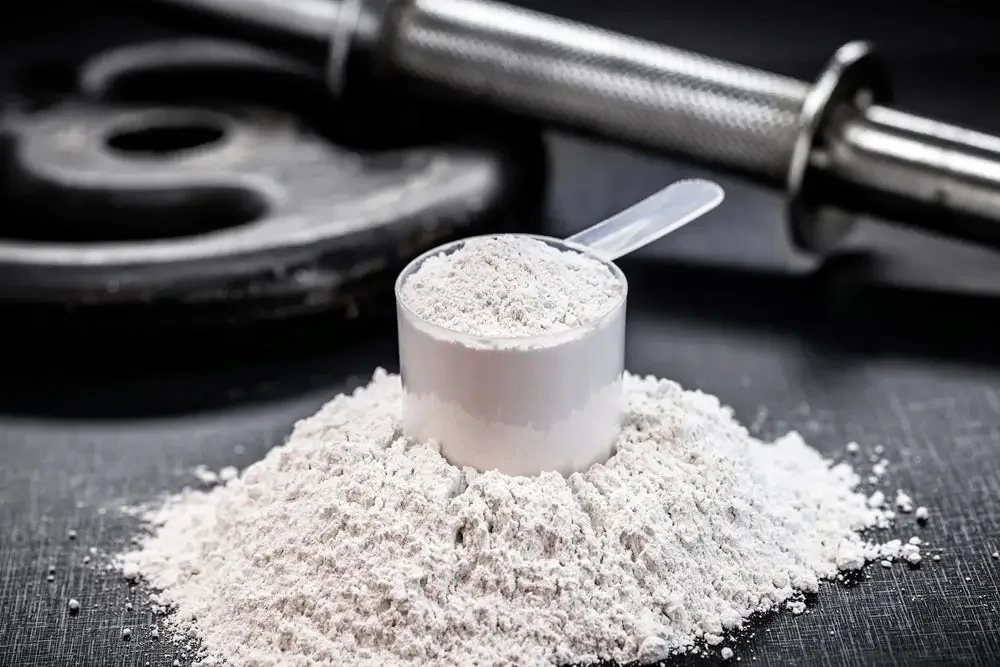
*Image from Muscle Tech
Ah, yes. The word we have been hearing for what seems like years! Is it good, is it bad? Is it just like the egg yolk debate?
We don’t talk about Bruno. Bad Disney pun related to not talking about egg yolks being good or bad anymore.
What is creatine?
Not to be confused with creatinine (more on that later). Creatine is a naturally occurring compound that is from different amino acids in the liver, kidneys, and pancreas. Glycine, arginine, and methionine form the creatine compound that is typically stored in muscle tissue. In the body, creatine changes or converts into phosphocreatine - another compound used to help regenerate the body's natural cellular energy source, adenosine triphosphate (ATP).
So what does creatine do?
Because of this conversion from compounds to energy, creatine can help with the muscular system’s exercise capacity, improve training adaptations, and to help facilitate the storage of energy to be used for work. If we are looking outside of the gym, creatine has also been shown to help manage blood lipid levels, reduce fat accumulation on the liver, minimize bone loss, increase cognitive functions, etc. Because creatine increases cellular energy availability, it has been studied and shown to have more benefits than originally believed.
That was a little more the quick and dirty of the physiology behind creatine and creatine supplementation. Creatine is a naturally occurring pseudo amino-acid that can be found in everyday foods. Primarily in meat (red meat), animal milk, and seafood. However, because red meats consumption should be a little more limited, creatine supplementation is exactly that - a supplement to your diet.
Ok, what else should we cover?
OOhhh, how about the side effects? Like any pharmaceutical commercial - Please do not take this product if you are allergic to this product. Well, no shit.
Side effects may include, but are not limited to, acute weight accumulation. Due to the increase in cellular activity, the muscle tissues will hold on to water for a little longer. Typically these effects are quick, and will not be permanent. Your body will adapt.
In healthy kidneys, creatine has been shown to have no negative impact. However, in kidneys with pre-existing conditions, it is not recommended to supplement with creatine. Creatine can raise blood creatinine levels (see, I told you we would circle back) and that could potentially be mistaken for increased kidney damage. Due to the increase in water and energy storage, it would not be recommended to put more strain on an already damaged kidney.
When to take creatine?
Everyday. It is typically a long term supplement to maximize the effectiveness of it. Some people may go through cycles based on water and weight retention, or any side effects possibly stemming from the product/brand itself. We are definitely on the side of pro-creatine. Obviously we recommend using products highly tested. As there are several products on the market, our recommendation would be to find something that regularly tests products, and is backed by certain bodies, like NSF-certified, NCAA-approved, etc. Stuff like that. Naturally, we went with Thorne for exactly those reasons. But make your own choices! But Thorne clearly knows their shit and is backed by multiple credible sources. Ok, that was my plug, and I had to, but in this instance, I am right.
If you are interested in starting on a creatine supplement or any other supplement, reach out to our staff and consult your doctors for any recommendations based on your specific health situation.
