

Thoughts on Functional Movement
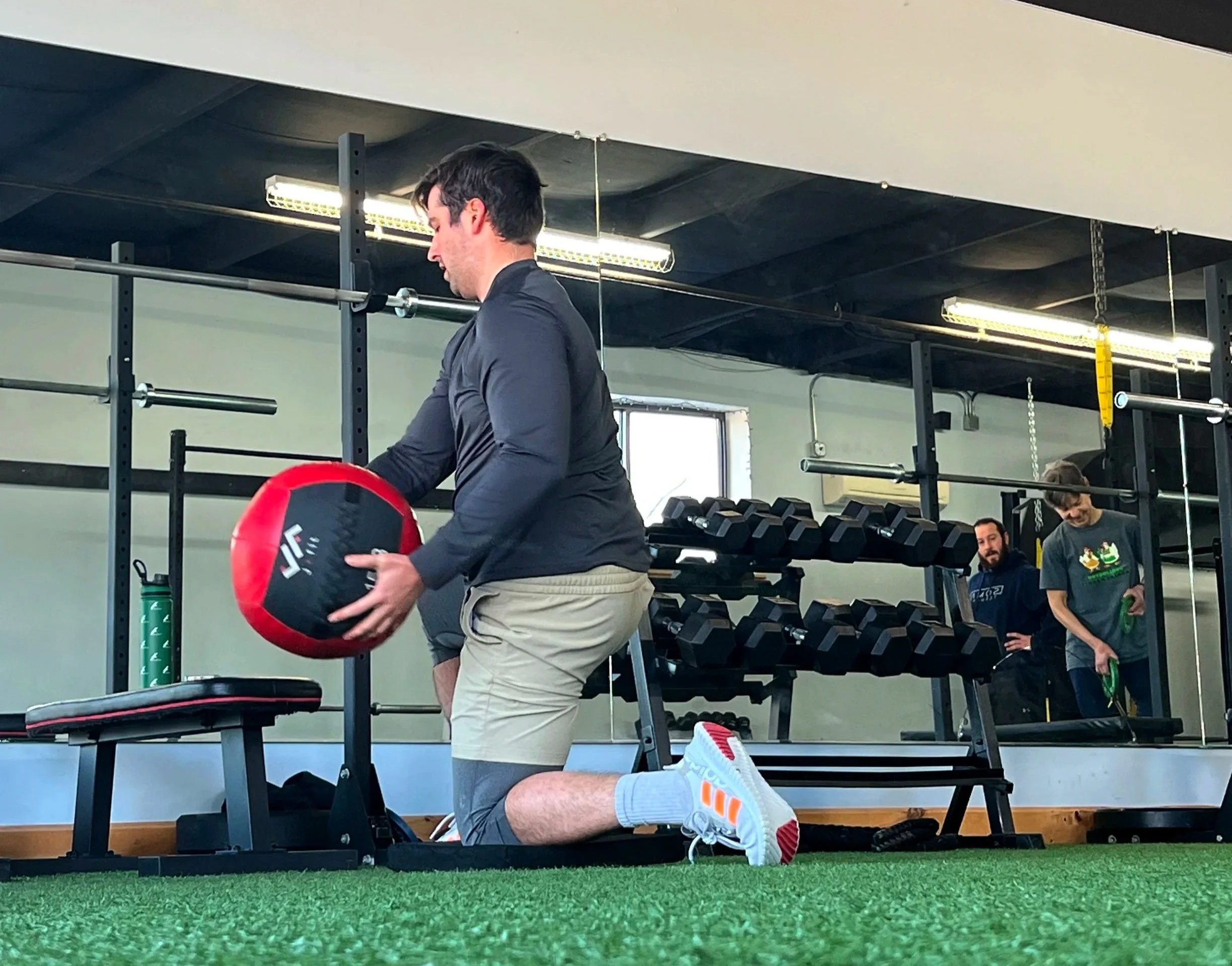
I am sure we have all heard this term or terms before? What do you think of when we say Functional Movement? I will wait…..
To me, Functional Movement means the ability to maintain strength and mobility in all movement patterns associated with your daily routine. That can be anything from carrying in some groceries, backing your car out of the driveway (before back-up cameras), walking up and down stairs at the office, or competing in an adult sports league.
Functional Movement is the ability to perform these actions with confidence of not getting hurt, or not realizing anything can hurt you.
So, how can we train specifically for these movements?
There are 7 different components that have seemingly made up ‘Functional Movement.’
Squat
Hinge
Push
Pull
Lunge
Rotation
Locomotion
Is training for Functional Movement a bulletproof method to no injuries? No. YOU WILL NEVER BE IMMUNE TO INJURIES. But…..proper training absolutely decreases the risk, can help with healing in the event of an injury, AND to still be able to function everyday.
In my mind, every exercise should be functional. From a bicep curl to a barbell deadlift, everything can have its moment to shine in the protection of the body in everyday life. Bicep curls strengthen…biceps? That said, if you are moving an overly sized, oddly shaped couch and you are stuck holding it in a doorway while your friend examines the physics and geometry of shapes and levers……
Functional Movement and functional training is a mindset and an intention. In the past, it has been viewed as performing multi-plane motions (kettlebell windmill, get ups) and contorting the body to be “stronger” in odd positions. This is not wrong. The body is meant to move in multiple dimensions and directions, and to still be able to maintain strength and balance. But how carried away are we going to get? Ok, so…
“You never pick up something from the floor with good posture. So we are going to purposely let our back round, hold a barbell in front of us and pretend like we are doing a really messed up deadlift.”
To me that is the opposite of functional. That is asking to be injured down the line. Sure, everyday life consists of weird motions. But structured movements creates a better base and foundation, increases body awareness, and teaches better body positioning doing the weird movements. Examples being…
Throwing your kids in the air in the pool
Carrying groceries with both hands while using your legs to block an indoor cat from roleplaying being an outdoor cat.
Trying to put an over-sized kayak on your car’s roof rack when you are 5ft 1 inches tall.
Doing a kitchen DIY by yourself because it is the only time your partner and kids are not home (marble countertops involved)
Gardening (who actually has good posture doing this?)
Putting on a jacket (anyone who is older than 30 might understand this one)
All of these are movements involved in everyday life. Functional Movement teaches mechanics, core engagement, body position, and creates mobility and stability (blog on just that topic coming soon, cough cough KEVIN, cough cough)
Ranting aside, here is my example of what a Functional Movement session would look like. Maybe videos coming soon too? (cough cough, INTERNS, cough cough)
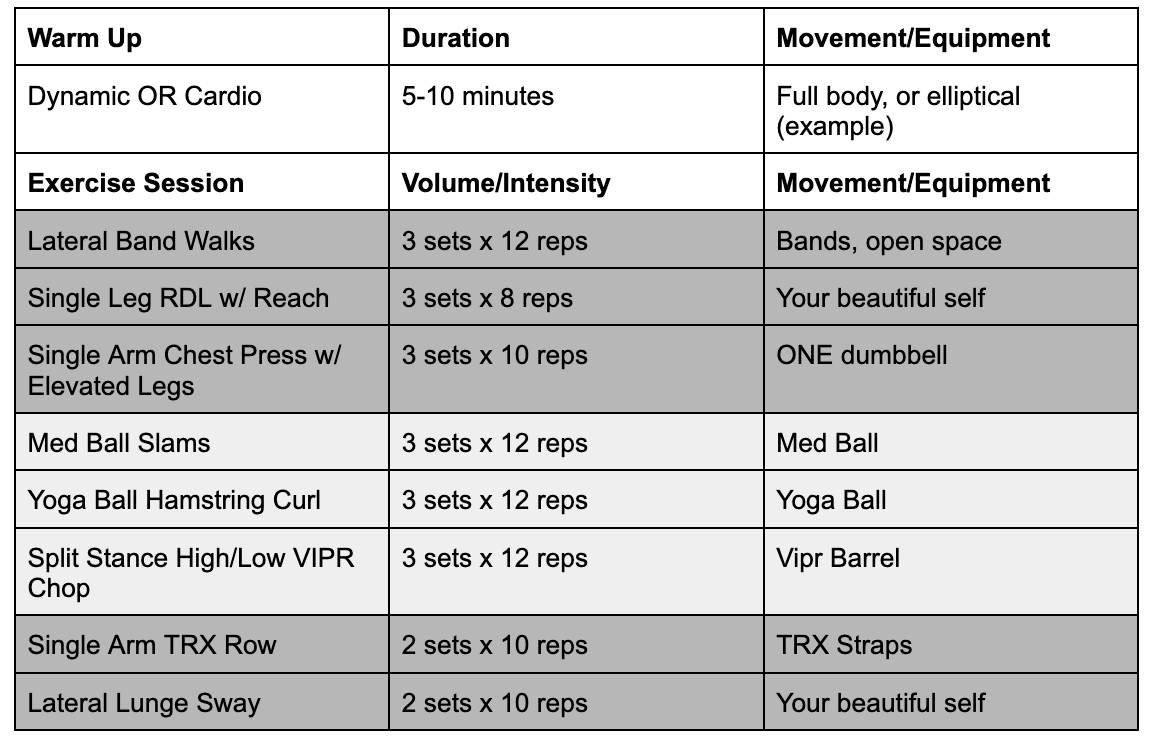
We have rotations, transverse movements (lateral), explosive movements, and posterior chain engagement. All things to me that make up Functional Movement.
If you are interested in connecting with any of our coaches and interns on how to incorporate functional movements into your routine, reach out to get started.
